
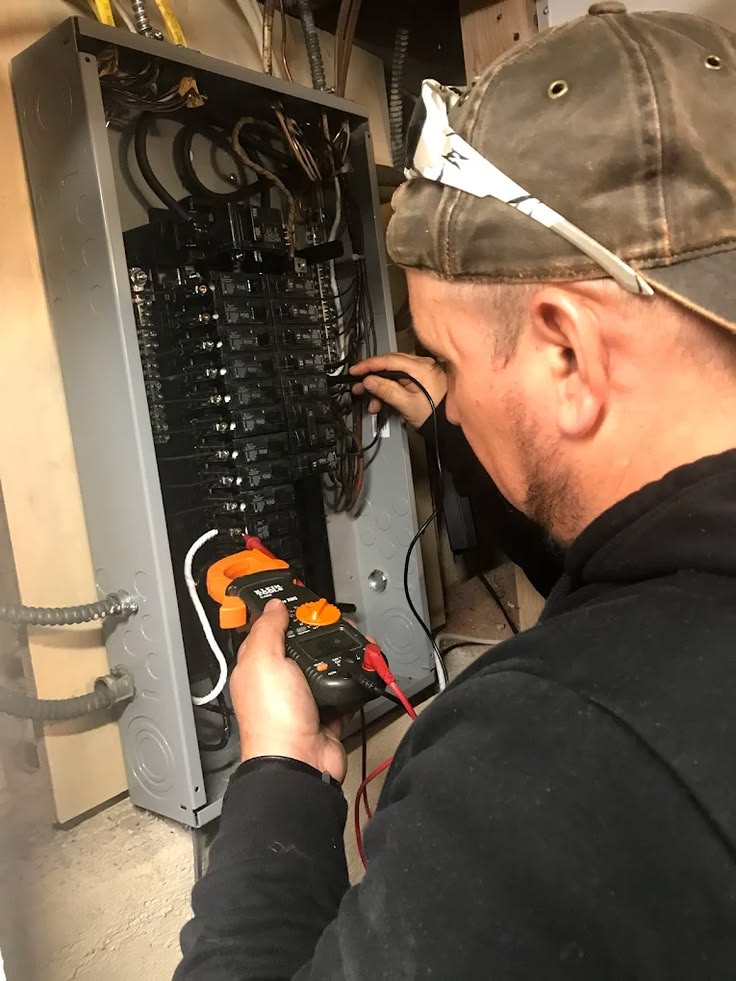
Certain electrical warning signs, like breakers that keep tripping, outlets that feel warm, or lights that flicker for no clear reason, can mean your home’s electrical system needs a professional look. Most of these symptoms have simple explanations, but some point to wiring faults, overloaded circuits, or failing equipment that won’t fix itself.
Because wiring and panels sit behind walls and inside enclosures, the signs you can see, hear, or smell are often your only clue that something is wrong. Here are nine situations worth taking seriously, and why each one matters.
1. Lights Flicker or Dim Frequently
A brief flicker when a large appliance starts is common. Lights that flicker or dim repeatedly, or that change brightness when you use the AC, microwave, or dryer, deserve more attention.
Possible causes include loose connections, an overloaded circuit, a failing fixture or switch, or a problem at the panel. Loose connections can generate heat, which is why recurring flickering shouldn’t be written off as just an annoying quirk. If it happens in one fixture, the bulb or fixture may be the issue. If it happens throughout the house or on several circuits, an inspection can help find the source.
2. Circuit Breakers Trip Repeatedly
A breaker is a safety device. It trips to stop current when a circuit is overloaded or a fault occurs. One trip after running a space heater and a hair dryer on the same circuit is not unusual.
Repeated trips are a different story. They can point to an overloaded circuit, a short circuit, a ground fault, or a breaker that is wearing out. Resetting it again and again treats the symptom, not the cause, and may mask a real hazard. If a breaker won’t stay reset, or the same one trips regularly, it’s time for professional evaluation of your circuit breaker problems.
3. Outlets or Switches Feel Warm
Outlets and switches should feel like room temperature. A device that is noticeably warm to the touch may have loose wiring, worn contacts, or too much load on the circuit.
Other abnormal behavior to watch for:
- Discoloration or browning around the plate
- Buzzing, crackling, or sizzling sounds
- Plugs that fit loosely or fall out
- Outlets that spark when something is plugged in
- Switches that feel hot or work inconsistently
Warm outlets are one of the more common signs of electrical problems that homeowners overlook. If a receptacle is hot, stop using it and have it checked.
4. You Notice Burning Smells or Scorch Marks
A burning or “hot plastic” odor with no obvious source, smoke, or scorch marks near outlets, switches, or the panel should be taken seriously. These can indicate overheating, arcing, or insulation damage.
Don’t wait for a convenient time. If you smell burning or see smoke, turn off the affected circuit or the main breaker if you can do so safely, stay away from the area, and call a licensed electrician. If there’s visible smoke or fire, leave the home and call 911.
5. Your Home Has Older or Outdated Wiring
Electrical systems are designed around the demands of their era. A home built decades ago may have been wired for far fewer devices than a typical household uses today.
Signs that outdated wiring may be a concern include:
- Two-prong outlets, or outlets without grounding
- Cloth-covered or brittle wire insulation seen in accessible areas
- Few outlets, with heavy use of extension cords and power strips
- Lights that dim when appliances run
- A history of DIY or undocumented electrical work
Age alone doesn’t mean wiring is unsafe, and some older homes have been well maintained or upgraded. The point is that you often can’t know the condition without someone qualified checking. A home electrical inspection can replace guesswork with facts.
6. You Have an Older or Problematic Electrical Panel
The electrical panel is the control center of your system, so panel problems can affect the whole house. Common warning signs include:
- Breakers that feel hot or look discolored
- Rust, moisture, or corrosion inside or around the panel
- Buzzing or humming from the enclosure
- Breakers that are difficult to reset or don’t trip when they should
- Missing, unclear, or inaccurate labeling
- A panel that is crowded, or breakers that appear doubled up or modified
An older panel may also have limited capacity for today’s demands. A professional can assess condition and capacity, and explain whether repairs or upgrades are worth considering. Never open the panel cover or touch internal components yourself.
7. You Are Planning a Major Remodel or Adding Electrical Loads
Remodels, additions, and new equipment can change how much electricity your home uses. A kitchen renovation with new appliances, a finished garage, a hot tub, a workshop, new HVAC equipment, or an EV charger can all place new demands on circuits that were not designed for them.
Having the existing system evaluated before or after these projects can help confirm whether the panel and wiring can support the added load safely. It can also catch existing issues that a renovation would otherwise build on top of.
8. You Recently Bought an Older Home
Moving into an older home means inheriting its electrical history, including repairs, additions, or DIY work you may know nothing about. A general home inspection typically looks at the electrical system in broad terms, but it isn’t the same as an electrician’s detailed evaluation.
If the previous owner couldn’t tell you when the wiring or panel was updated, or if you’ve noticed odd outlets or inconsistent grounding, a closer look can help you understand what you have and plan for any repairs or upgrades.
9. You See Exposed, Damaged, or Improperly Installed Wiring
Exposed wire, damaged cable, missing cover plates, open junction boxes, loose connections, and obviously amateur splices are all safety concerns. They can cause shock or start a fire, and they are not good candidates for a quick fix.
Please don’t try to repair exposed wiring, electrical panels, sparking outlets, or other potentially dangerous problems yourself. Even something that looks simple can be energized or connected to something you can’t see. Turn off power to the area if you can safely do so, keep people and pets away, and call a qualified electrician.
When Should You Schedule an Electrical Inspection?
One warning sign doesn’t automatically mean a major problem. A single flicker or an occasional breaker trip may have a simple cause. But recurring symptoms, multiple signs together, or anything involving heat, burning smells, sparks, or exposed wiring deserves prompt professional attention.
If you’re seeing these signs, or you simply don’t know the condition of your home’s wiring or panel, arranging an electrical inspection in Phoenix, AZ is a practical way to find out what’s going on and decide on next steps.
If any of these warning signs sound familiar, learn more about an electrical inspection and reach out to a qualified electrical professional. Catching a problem early is almost always easier than dealing with it after it gets worse.
SEO Elements
SEO Title: Signs Your Phoenix Home Needs an Electrical Inspection
Meta Description: Flickering lights, tripping breakers, or warm outlets? Learn the warning signs that your home may need an electrical inspection and when to call a pro.
(Approx. 156 characters)
Suggested URL Slug: /signs-phoenix-home-needs-electrical-inspection/
Primary Keyword: signs your Phoenix home needs an electrical inspection
Secondary Keywords:
- electrical inspection Phoenix AZ
- home electrical inspection
- signs of electrical problems
- electrical wiring problems
- circuit breaker problems
- outdated wiring
- warm outlets
- flickering lights
- electrical safety
Featured Image Alt Text: Homeowner checking a warm electrical outlet and flickering light as warning signs of electrical problems
Notes before publishing:
- The article contains one internal link, in the final section, where readers are already weighing professional help.
- Word count is roughly 1,250.
- This article overlaps somewhat with “When Should a Phoenix Home Get an Electrical Inspection?” because both cover warning signs. To avoid cannibalizing each other, consider linking the two later (one extra link is fine if it’s useful), and keep this one focused on symptoms and the other on timing and situations.